
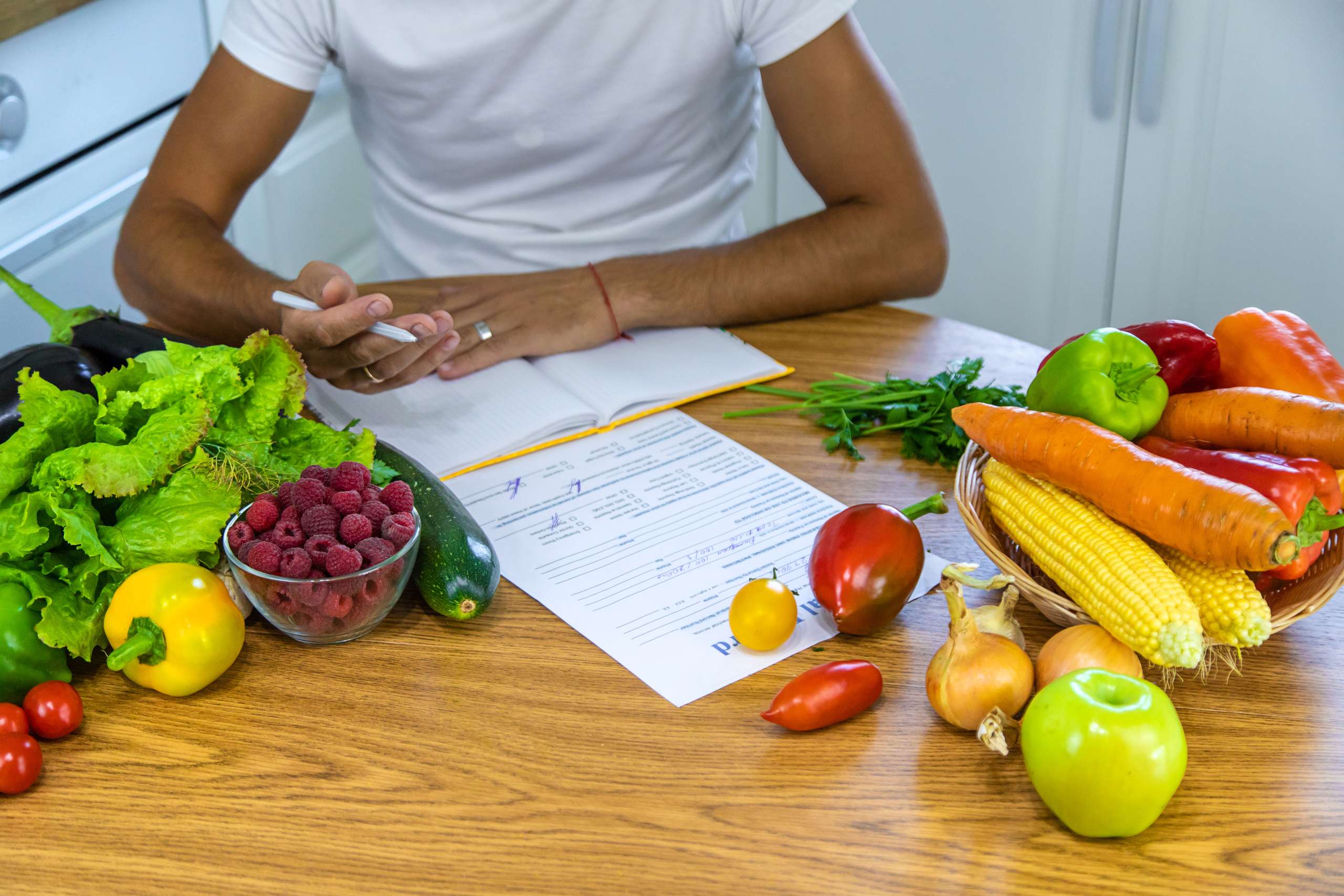
When people first start out, they often begin with huge goals, only to realize two weeks later how exhausting it all feels. Meals are complicated, grocery lists are long, and cooking starts to feel like a chore rather than a support. When eating healthy feels unsustainable, the problem usually isn’t a matter of motivation; it’s just that it requires too much time, money, or mental space from daily life. Success comes from building practices that can withstand a busy week, an empty fridge, or a low-energy day, rather than trying to maintain some “perfect” picture of what eating should look like.
The first step is to recognize these moments and troubleshoot instead of trying to discipline yourself into better behavior. If cooking a new dinner every day feels too much, ask yourself if it would be easier to do it if you didn’t have to figure out a new meal every time. Eating the same breakfast or lunch every day of the week might sound boring to you, but it makes the process faster and eliminates a daily decision from your plate. For example, you might alternate between two basic meal patterns that include a protein + a whole carb + a vegetable + a fat, and then just vary the ingredients. So long as the structure of the meal is consistent, you can mix and match ingredients to keep things interesting without adding mental complexity.
One of the most common issues is assuming healthy eating has to be “fancy” and then burning out and reverting. Nutrition isn’t about the recipes; it’s just about consistently getting nutrients into your body. You can build an incredibly nourishing meal out of pre-cooked rice, frozen peas, canned beans, and rotisserie chicken without much effort at all. Another is deciding you’re going to cut out every food you enjoy, which will lead to cravings and bingeing. Incorporating reasonable portions of foods you like into otherwise balanced meals circumvents this cycle of restriction and bingeing.
A practice plan that works for you might take up less than 15 minutes of your time per day. Take two minutes to look at what you already have in the house and think about how you could build a balanced meal out of those ingredients. Take three minutes at some point to prep one part of a meal for later on, like cooking some rice or washing some veggies. Take a minute or two later to think about whether your meal felt satisfying and easy to replicate. If it took too many steps, simplify it the next day instead of throwing the baby out with the bathwater.
It’s not about getting it perfect; it’s about getting it sustainable. Meals that fit into the context of your real life allow you to coast and make gradual improvements over time instead of riding a rollercoaster of all-or-nothing.